

The Origin and Manufacturing Process of Melamine Faced Chipboard (MFC)
The origin of Melamine Faced Chipboard (MFC) can be traced back to traditional plywood manufacturing and, further back, to the period of World War II in the 1940s. During the war, severe shortages of raw materials made it difficult to obtain sufficient timber supplies. To address this challenge, a factory in **Bremen, Germany**, developed a new type of engineered wood panel.
The process involved utilizing wood chips, shavings, and sawdust left over from timber processing. These materials were combined with resin adhesives and compressed under high temperature and pressure to form a new composite panel. The invention of chipboard helped meet urgent military demands during wartime and later became an important building material for post-war reconstruction and development.
As global demand for wood-based panels continued to grow, many countries invested heavily in the research and production of chipboard. Over time, advances in manufacturing technology, raw material processing, performance characteristics, and decorative surface finishes have significantly improved product quality. Today, MFC has become one of the most widely used materials in modern interior design and furniture manufacturing.
In Taiwan, according to the CNS 2215 national standard, MFC is officially classified as Melamine Faced Particleboard, commonly abbreviated as MFC (Melamine Faced Chipboard). It is also widely referred to as system furniture board or chipboard. In Europe, it is commonly known as Chipboard, while in North America it is referred to as Particle Board. In Mainland China, it is often called Particleboard or Wood Chip Board.
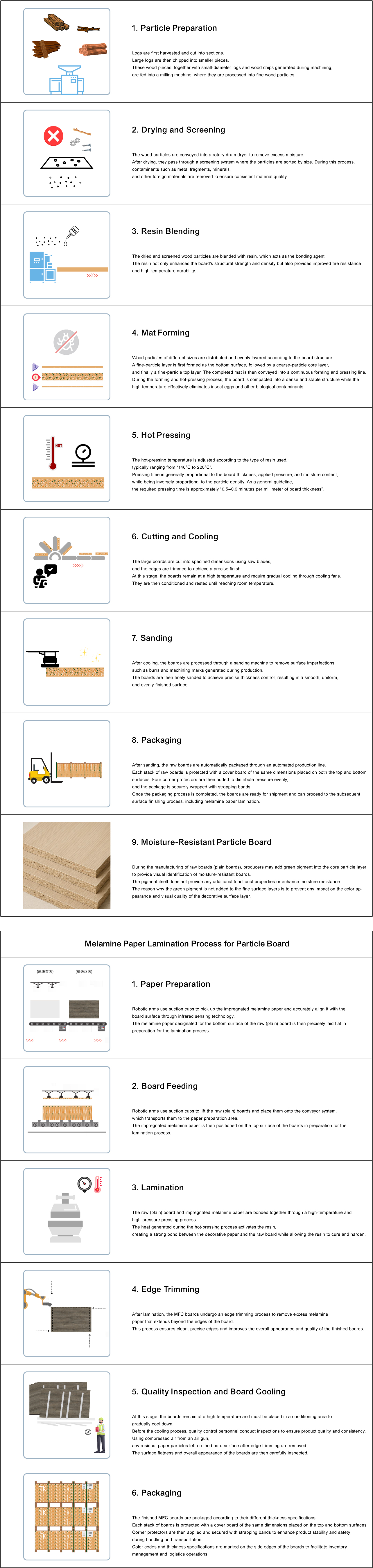
Before a decorative surface is applied, MFC is generally referred to as a raw board or unfinished particleboard. When viewed from the edge, the board typically consists of three layers:
Core Layer: Made from larger wood particles and chips arranged in a cross-linked, irregular structure to provide strength and dimensional stability.
Top and Bottom Layers: Manufactured from finer wood particles and wood flour, creating a dense and smooth surface suitable for finishing applications.
Sanding Process: The board surface is carefully sanded to improve flatness and prepare it for decorative lamination.
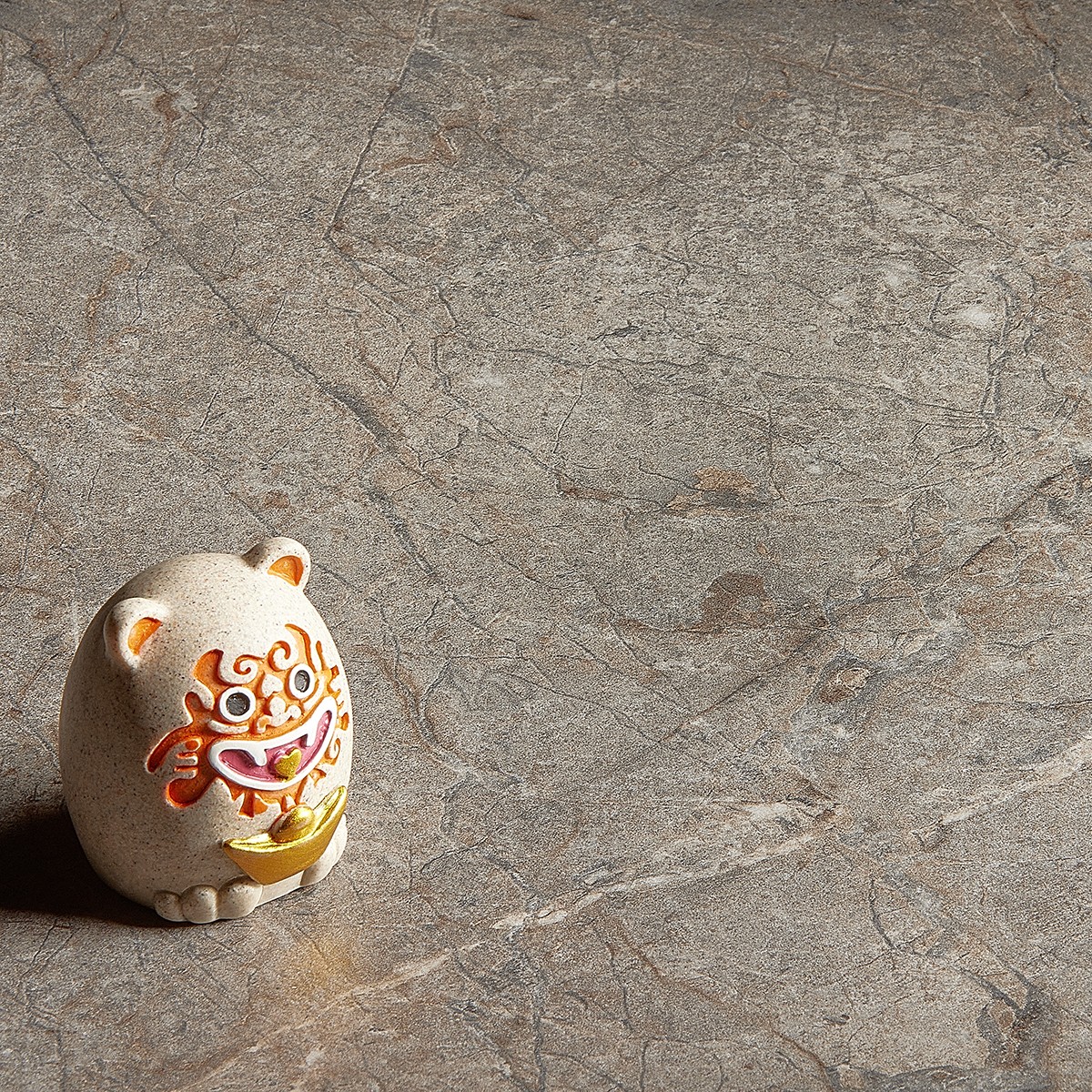
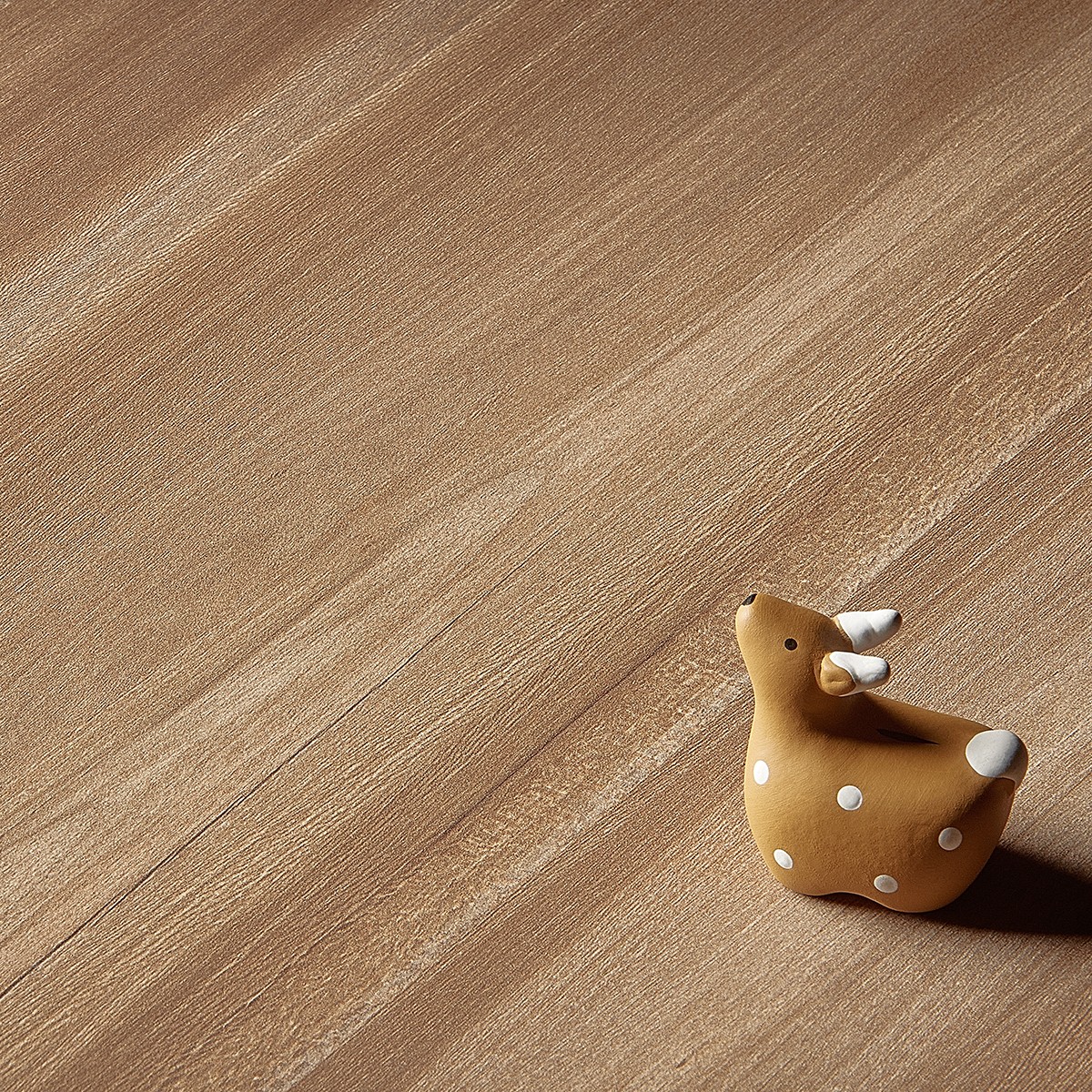
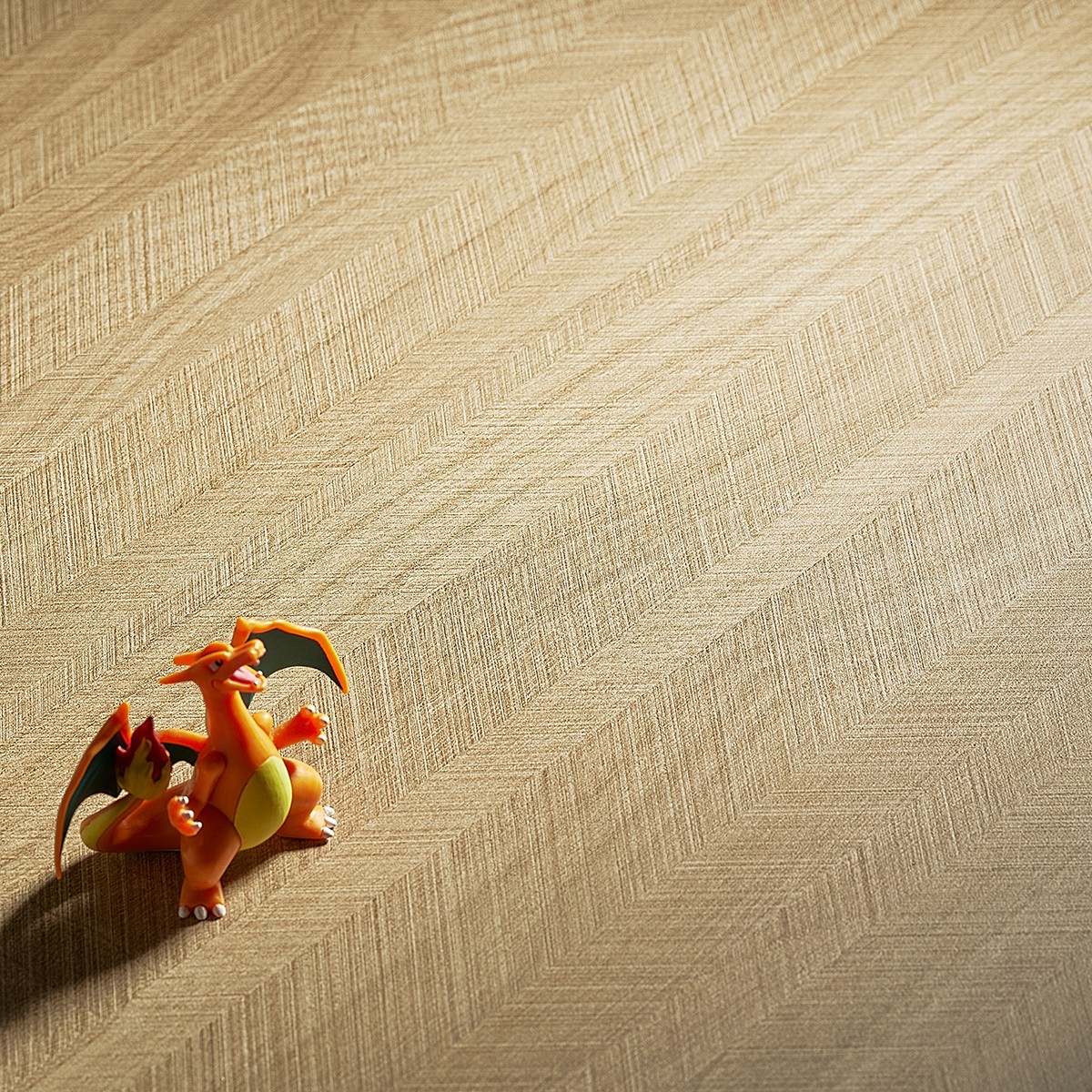
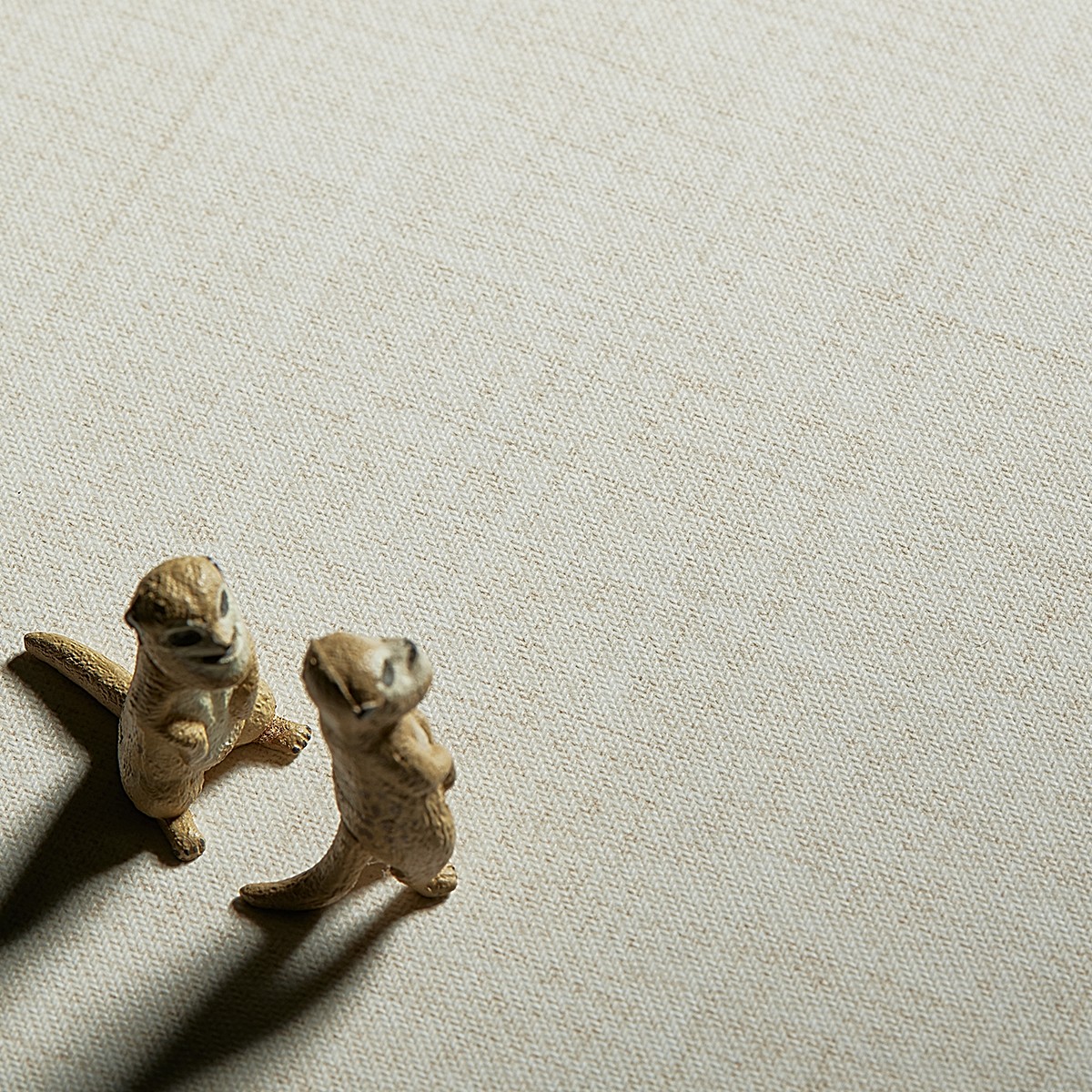
The decorative surface layer commonly applied to MFC is known as melamine-impregnated decorative paper. This material is produced by printing highly realistic woodgrain, stone, or solid-color patterns onto kraft paper using advanced printing technology. The paper is then impregnated with melamine resin under precisely controlled conditions to ensure uniform resin distribution throughout the sheet.
Melamine decorative paper offers exceptional design versatility, allowing a wide variety of colors, textures, and patterns to be created. In addition to enhancing the appearance of the board, it also provides excellent durability, heat resistance, moisture resistance, and ease of maintenance.
Furthermore, modern MFC products are manufactured to comply with low-formaldehyde environmental standards, making them a sustainable and practical choice for interior decoration, furniture manufacturing, and architectural applications. By combining aesthetics with functionality, MFC continues to provide designers and homeowners with extensive creative possibilities and reliable performance.
Melamine Faced Chipboard (Raw Board) Lamination Process
Reference Sources: National Forestry Technology Platform and CNS Online Service System